Why Ignoring Engine Fault Codes Can Lead to Clean Truck Check Failure
Picture this: your truck's check engine light comes on, and you’re in the middle of a run. It can be tempting to keep driving and deal with it later. Especially if the engine still runs. How serious could it be? Unfortunately, that small warning light can signal a larger problem affecting your truck's emissions system, fuel economy, and overall reliability. More importantly, if you ignore engine fault codes, you're setting your vehicle up to fail California's Clean Truck Check program.
Modern diesel trucks rely on dozens of sensors and electronic controls to keep emissions within legal limits. When something goes wrong, the engine control module (ECM) stores a diagnostic trouble code (DTC) to help identify the issue. While some codes may seem minor at first, they often point to problems that get worse the longer you ignore them.
Here's why paying attention to fault codes is one of the smartest things you can do for your truck.
What Are Engine Fault Codes?
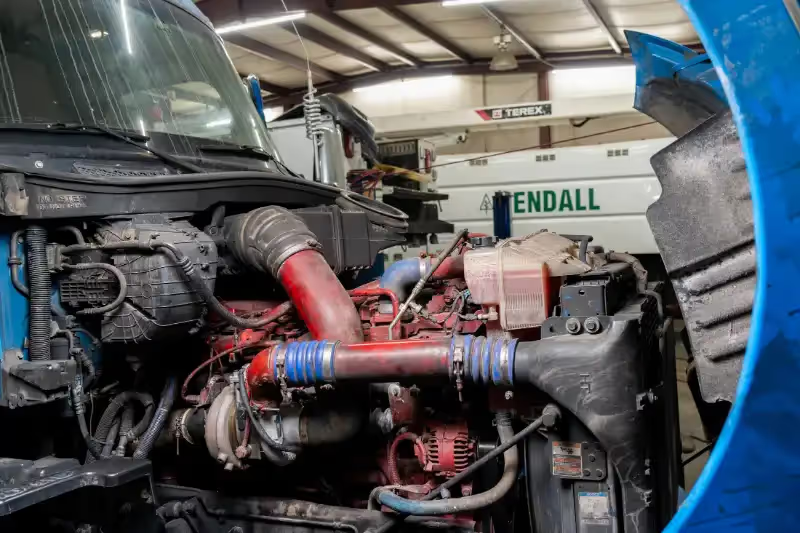
Your diesel engine is controlled by an onboard computer known as the Engine Control Module (ECM). This computer constantly monitors critical systems using sensors located throughout the engine, fuel system, turbocharger, and aftertreatment components. When it detects a problem outside normal operating parameters, it records a diagnostic trouble code and may illuminate the check engine light.
These codes aren't random. They're designed to help technicians quickly identify the affected system before a minor issue becomes a major repair.
Some of the most common engine fault codes involve:
- Diesel Particulate Filter (DPF) restrictions
- Selective Catalytic Reduction (SCR) system faults
- Diesel Exhaust Fluid (DEF) system issues
- Exhaust Gas Recirculation (EGR) valve problems
- Boost pressure or turbocharger faults
- Fuel injector performance
- NOx sensor failures
- Temperature or pressure sensor malfunctions
Understanding California's Clean Truck Check
California's Clean Truck Check program verifies that heavy-duty vehicles meet emissions standards throughout their operating life. It’s beyond more than when it's a new truck.
Unlike older emissions inspections, Clean Truck Check evaluates the health of your truck's emissions systems using electronic data and inspections. If your truck has active emissions-related fault codes or malfunctioning aftertreatment components, it may not pass the inspection.
That's why addressing warning lights before your testing date is essential.
Many Fault Codes Directly Affect Emissions
Today's diesel engines use sophisticated aftertreatment systems to reduce harmful emissions. These include the:
- Diesel Particulate Filter (DPF)
- Selective Catalytic Reduction (SCR) system
- Diesel Exhaust Fluid (DEF) system
- Exhaust Gas Recirculation (EGR) system
- Diesel Oxidation Catalyst (DOC)
These components work together to reduce soot, hydrocarbons, carbon monoxide, and nitrogen oxides (NOx). If even one component fails, the ECM often stores a fault code immediately. The handbook explains that the DPF captures soot through filtration and regeneration, while the SCR uses DEF to convert harmful NOx emissions into harmless nitrogen and water vapor.
The thing is, if you ignore these codes, emissions problems can get worse, increasing your chances of failing an inspection.
Small Problems Can Become Expensive Repairs
So one thing we see fleet owners do is skip their next service because their truck is still driving normally. Unfortunately, emissions systems are highly interconnected.
For example:
Faulty NOx Sensor
A failed sensor may provide incorrect emissions readings, causing the SCR system to inject the wrong amount of DEF.
Restricted DPF
When the DPF becomes overloaded with soot, regeneration may fail repeatedly. Eventually, excessive backpressure can reduce engine performance and increase exhaust temperatures.
EGR Valve Malfunction
A sticking EGR valve can raise combustion temperatures, leading to higher NOx emissions and additional fault codes.
What begins as a relatively inexpensive sensor replacement can eventually require costly repairs involving multiple emissions components.
Ignoring Codes Can Trigger Engine Derate
Many diesel manufacturers program the ECM to protect emissions systems by reducing engine performance when serious faults remain unresolved.
This process, commonly called engine derate, limits horsepower and vehicle speed until repairs are completed.
A derated truck can create major operational problems by:
- Delaying deliveries
- Reducing fuel efficiency
- Limiting hauling capability
- Increasing downtime
- Affecting driver productivity
Instead of planning repairs around your schedule, you'll be forced to deal with unexpected downtime.
Fuel Economy Often Suffers
Many emissions-related faults don't just increase pollution. Fun fact: emissions also reduce fuel efficiency.
When sensors provide inaccurate information, the ECM cannot properly manage fuel injection, turbocharger performance, or DEF dosing.
This may cause:
- Poor combustion
- Increased fuel consumption
- Frequent regeneration cycles
- Reduced engine efficiency
Over thousands of miles, even a small decrease in fuel economy can significantly increase operating costs across an entire fleet.
Fault Codes Help Prevent Major Engine Damage
Not every engine fault code is emissions-related.
Some indicate developing mechanical issues involving:
- Cooling systems
- Fuel delivery
- Turbochargers
- Intake systems
- Oil pressure
- Engine sensors
Ignoring these warnings increases the likelihood of larger failures later.
For example, a boost leak may initially trigger a simple fault code. Left unrepaired, the turbocharger may work harder to compensate, leading to premature wear and much higher repair costs.
Early diagnosis helps prevent these problems before they become catastrophic.
Preventive Diagnostics Save Time
Rather than waiting for your Clean Truck Check appointment, many fleet managers schedule routine diagnostic scans during preventive maintenance.
This proactive approach allows technicians to:
- Identify pending fault codes
- Verify sensor performance
- Confirm successful DPF regenerations
- Check DEF system operation
- Monitor aftertreatment efficiency
- Repair issues before inspections
Preventive maintenance plays a major role in reducing breakdowns, extending component life, and maintaining compliance with emissions regulations.
What Should You Do If the Check Engine Light Comes On?
If your check engine light comes on, don't assume the truck is safe to ignore just because it keeps running.
Instead:
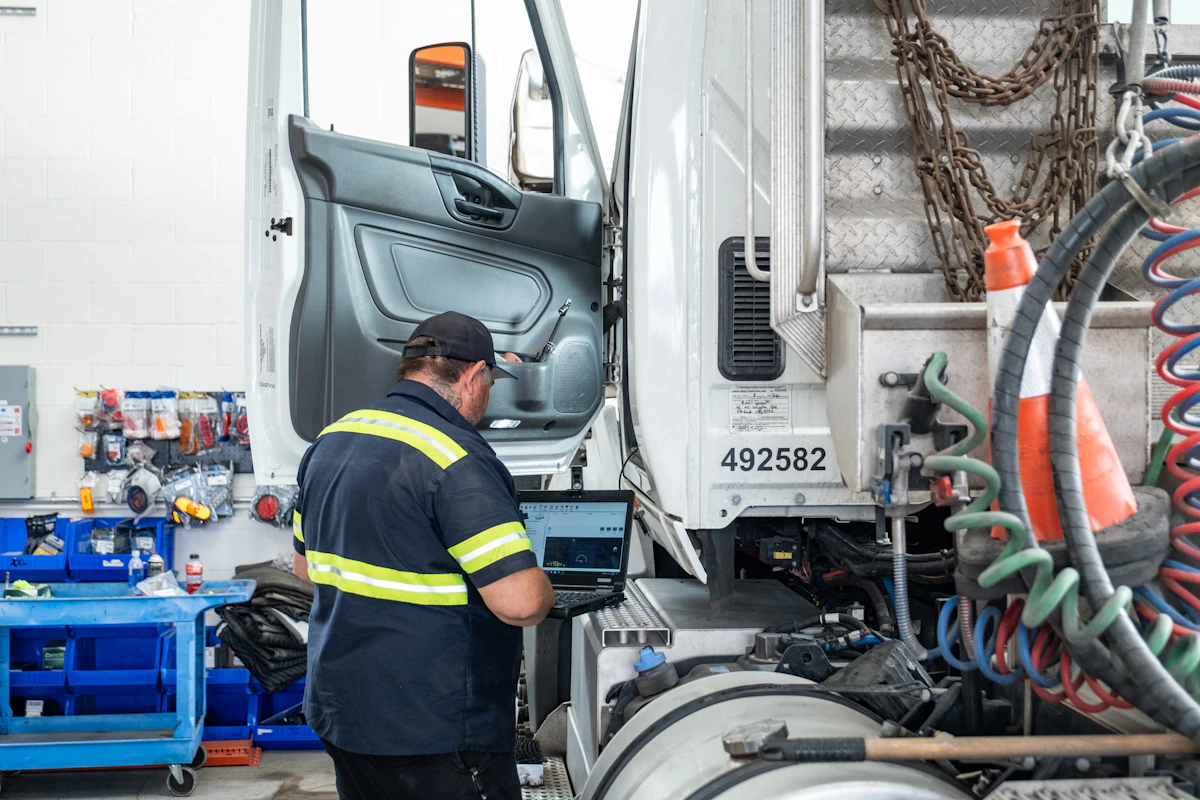
- Perform a diagnostic scan as soon as possible.
- Record any active or pending fault codes.
- Have emissions-related issues diagnosed by qualified diesel technicians.
- Complete repairs before they affect additional components.
- Verify that all codes have been cleared before your Clean Truck Check inspection.
Acting quickly can save thousands of dollars while reducing downtime.
Stay Ready for Every Inspection
California's emissions requirements are becoming increasingly stringent, making proactive maintenance more important than ever. Ignoring engine fault codes may seem harmless today, but those warnings often indicate problems that can reduce fuel economy, damage expensive aftertreatment components, trigger engine derates, and ultimately lead to a failed Clean Truck Check.
By addressing diagnostic codes early, you'll protect your truck, reduce repair costs, and improve your chances of passing emissions inspections the first time.
If your truck has an active check engine light or you're preparing for your next Clean Truck Check, the experienced technicians at Inland Empire Fleet Maintenance in San Bernardino can diagnose fault codes, repair emissions systems, and help keep your fleet operating at peak performance.
More Articles
.avif)
Transmission Fluid vs. Gear Oil: Pick Wrong, Pay Twice
.avif)
Troubleshooting Common Cummins Engine Problems Before They Cost You Big